
How to Identify Invisible Eating Patterns
How tracking calories and macronutrients reveals habits you never noticed
Most people believe they have a reasonable understanding of how they eat.
They might say things like:
- "I eat pretty healthy most of the time."
- "I don't eat that much."
- "My diet is more or less balanced."
But when nutrition is examined objectively, something surprising often happens: the reality looks very different from the perception.
This gap between what we think we eat and what we actually eat is one of the biggest reasons people struggle with weight loss, muscle gain, and long-term health goals.
Small decisions repeated daily, an extra snack, a missed protein source, a calorie-dense drink, can create patterns that shape body composition over weeks and months.
The challenge is that these patterns are often invisible without data.
By tracking calories and macronutrients consistently, it becomes possible to reveal hidden behaviors that were previously impossible to see. Once those patterns become visible, meaningful changes become far easier to implement.
What Are Invisible Eating Patterns?
Invisible eating patterns are repeated nutritional behaviors that influence your results but remain unnoticed in daily life.
These patterns usually do not appear in a single meal. Instead, they emerge when multiple days of nutrition are analyzed together.
For example, someone might believe they maintain a balanced diet, but a week of data could reveal patterns such as:
- Most daily calories consumed late at night
- Protein intake consistently below recommended levels
- Weekend calorie intake dramatically higher than weekdays
- Frequent snacks adding hundreds of unnoticed calories
- Liquid calories contributing significantly to total intake
Individually, these behaviors may seem insignificant. But over time, they accumulate.
Nutrition is rarely determined by one meal. It is determined by patterns across many days.
When those patterns remain invisible, it becomes difficult to understand why progress stalls or why body composition fails to change.
Why Humans Are Poor at Estimating What They Eat
Human perception is not designed to accurately track calorie intake.
Several psychological factors contribute to this problem.

Memory bias
Most people cannot accurately remember everything they consumed during the day. Small items, like snacks, sauces, or drinks, are easily forgotten.
These small omissions can significantly distort perceived intake.
Portion size misjudgment
Estimating portion sizes is difficult without measurement. What appears to be a moderate portion may actually contain far more calories than expected.
Restaurants often serve portions that are two to three times larger than standard dietary references.
The "healthy halo" effect
Foods perceived as healthy are often eaten in larger quantities.
For example, someone may underestimate calories in foods like granola, peanut butter, smoothies, or avocado simply because they are considered nutritious.
Underestimating snacks
Research consistently shows that people underestimate their daily calorie intake by 20% to 50%.
Most of this underestimation comes from small foods eaten throughout the day rather than main meals.
Because these cognitive biases are so common, relying on perception alone makes it extremely difficult to understand true eating habits.
How Data Reveals Patterns the Mind Cannot See
This is where nutrition tracking becomes powerful.
When calories and macronutrients are logged consistently, eating habits become quantifiable behaviors rather than vague impressions.
Instead of asking:
"Did I eat too much today?"
You can see:
- Total daily calories
- Protein, carbohydrate, and fat distribution
- Meal timing patterns
- Weekly calorie averages
- Deviations from nutritional targets
Once multiple days of data accumulate, patterns start to emerge.
You might notice that calorie intake is relatively controlled during the day but increases sharply after dinner.
Or you may discover that protein intake is consistently lower than the level required for muscle maintenance or growth.
These insights are difficult, often impossible, to obtain without structured tracking.
Data transforms nutrition from a subjective experience into an observable system of behaviors.
The Most Common Hidden Eating Patterns
When people begin tracking their food intake, several patterns appear repeatedly.
Understanding these patterns can help you recognize them in your own data.
Evening calorie concentration
One of the most common patterns is consuming a large percentage of daily calories late in the evening.
During the day, meals may remain relatively controlled. But hunger, fatigue, or stress can lead to higher-calorie foods at night.
This pattern often occurs without awareness until calorie totals are examined.

The protein gap
Many individuals consume adequate total calories but insufficient protein.
Protein intake plays a crucial role in:
- muscle maintenance
- satiety
- metabolic health
- body composition
When protein intake is too low, hunger can increase and muscle development may be limited even when training regularly.
The weekend effect
Some people maintain strict dietary control during weekdays but significantly increase calorie intake on weekends.
The result is that weekly averages remain higher than expected, slowing progress toward fat loss or weight management goals.
Because people tend to evaluate their diet based on weekday behavior, the weekend impact may go unnoticed.
The snack accumulation effect
Small snacks may seem harmless individually, but they accumulate quickly.
A handful of nuts, a piece of chocolate, a coffee drink, or a few bites of leftovers can add hundreds of calories across the day.
Tracking reveals how these small additions influence the total daily intake.
Liquid calories
Drinks are frequently overlooked in dietary estimates.
Calories from beverages such as juices, specialty coffees, alcohol, or sweetened drinks can significantly increase total energy intake.
Because they do not produce the same satiety as solid food, liquid calories often pass unnoticed.
How to Detect Your Own Eating Patterns
The good news is that identifying invisible eating patterns does not require complex analysis.
It simply requires consistent tracking for a short period of time.
A useful approach is to follow a structured observation period.
Track consistently for 7 to 14 days
A single day of data rarely reveals meaningful patterns.
Tracking for one to two weeks allows trends to emerge while capturing both weekdays and weekends.
Observe daily calorie trends
Look at how daily calorie intake compares to your target.
Is intake consistent across days, or are there large fluctuations?
Analyze macronutrient balance
Check whether protein, carbohydrates, and fats align with your goals.
For example, athletes or individuals focusing on body composition often benefit from maintaining adequate protein intake throughout the day.
Look at meal timing
Meal timing patterns can influence hunger, energy levels, and dietary adherence.
Tracking may reveal that most calories are consumed in a short evening window.
Compare weekdays and weekends
This comparison often reveals behavioral differences that affect long-term progress.
Once these patterns are visible, adjustments become easier to design.
How Nutrition Tracking Makes Patterns Visible
Tracking tools simplify the process of observing nutrition over time.
Instead of manually calculating totals or remembering meals, a structured system automatically organizes nutritional data.
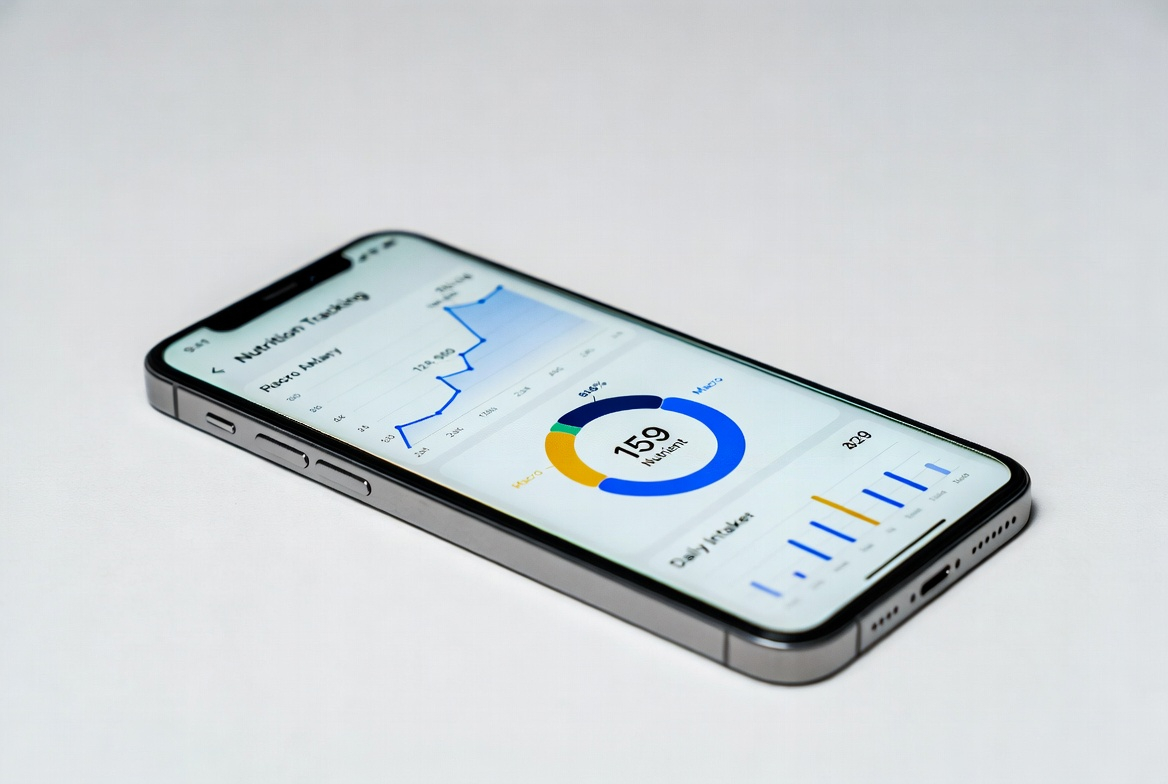
In Shape Journey, nutrition tracking is designed to reveal these patterns clearly.
Users can:
- Record meals and snacks throughout the day
- Monitor total daily calories
- Track macronutrients such as protein, carbohydrates, and fats
- Set personalized calorie and macro targets
- Review historical data to identify trends
Over time, this creates a personal nutrition dataset that reflects real behavior rather than perception.
Patterns that were once invisible begin to appear naturally through the data.
This aligns with a fundamental principle of long-term progress:
You cannot improve what you cannot measure.
Turning Patterns Into Progress
Once hidden eating patterns become visible, improvement becomes much more practical.
Instead of vague goals like "I should eat better," you gain specific insights.
For example:
Instead of thinking:
"I lack discipline at night."
You might discover:
"Forty percent of my daily calories occur after 9 p.m."
Instead of assuming:
"My training isn't working."
You might notice:
"My protein intake is consistently below my target."
With this level of clarity, solutions become more focused.
Possible adjustments might include:
- increasing protein intake earlier in the day
- distributing calories more evenly across meals
- planning snacks intentionally
- adjusting calorie targets based on actual intake trends
These changes are often small, but when applied consistently they can significantly influence body composition and long-term health.
Why Nutrition Awareness Matters for Long-Term Progress
Many fitness programs emphasize discipline, motivation, or willpower.
While these factors can be important, they often overlook a simpler truth: awareness is the foundation of control.
When eating behaviors remain invisible, it becomes difficult to understand why results do not match expectations.
Tracking nutrition transforms eating from a vague daily routine into a measurable pattern of behavior.
Once those patterns become visible, individuals gain the ability to adjust them intentionally.
This approach aligns with the philosophy behind Shape Journey.
Rather than focusing only on workouts or short-term diets, the platform helps users observe their body and habits through data, tracking training, nutrition, body composition, and other factors that influence long-term progress.
Because sustainable physical development does not come from isolated actions.
It comes from understanding patterns and gradually improving them over time.
Final Thought
Invisible eating patterns influence body composition far more than most people realize.
They develop quietly through small daily behaviors and often remain unnoticed for months or even years.
But once nutrition begins to be tracked consistently, those patterns start to emerge.
What once felt confusing becomes measurable.
And when something becomes measurable, it becomes manageable.
Understanding how you eat is the first step toward shaping how you live, train, and progress.
Frequently Asked Questions About Identifying Eating Patterns
Why is calorie tracking useful?
Calorie tracking helps transform nutrition from a subjective perception into measurable data.
Most people underestimate how much they eat during the day. Small snacks, drinks, sauces, and portion misjudgments can significantly increase total calorie intake without being noticed.
By tracking calories consistently, it becomes possible to see how daily intake compares to your target. Over time, this data reveals patterns such as late-night eating, weekend calorie spikes, or gradual calorie creep.
Understanding these patterns allows you to adjust your nutrition more precisely and make informed decisions about your diet.
How long should you track food to identify patterns?
Tracking food for at least 7 to 14 days is usually enough to identify the first meaningful eating patterns.
A single day rarely provides useful insights because daily nutrition naturally fluctuates. However, when multiple days of data are analyzed together, trends begin to emerge.
For example, tracking for two weeks allows you to observe:
- differences between weekdays and weekends
- recurring meal timing patterns
- consistent macro imbalances
- daily calorie fluctuations
The longer the tracking period, the clearer these patterns become.
Is tracking macronutrients necessary, or are calories enough?
Tracking calories is useful for understanding total energy intake, but tracking macronutrients provides deeper insights into diet quality and body composition.
Macronutrients, protein, carbohydrates, and fats, each influence the body differently.
For example:
- Protein supports muscle maintenance and recovery
- Carbohydrates provide energy for training and daily activity
- Fats play a role in hormonal health and satiety
Someone may consume the correct number of calories but still experience poor results if their macronutrient distribution is not aligned with their goals.
Tracking both calories and macros provides a more complete picture of nutrition.
Can nutrition tracking help with weight loss?
Yes. Nutrition tracking is one of the most effective ways to improve weight management because it increases awareness of daily eating behavior.
Weight loss ultimately depends on maintaining an appropriate energy balance over time. However, many people struggle to achieve this because they cannot accurately estimate their intake.
Tracking calories and macros helps identify where extra calories come from and where adjustments can be made.
Instead of guessing, individuals can make data-driven decisions about their nutrition.
Do you need to track food forever?
Not necessarily.
For many people, tracking food for a period of time is enough to develop awareness of their eating habits.
Once patterns become clear, some individuals choose to track less frequently while maintaining the behaviors they learned.
Others continue tracking because they enjoy the structure and feedback that it provides.
The goal of nutrition tracking is not constant monitoring, but improving awareness and understanding of eating patterns.
What is the best way to track calories and macros?
The most effective method is to use a structured system that allows you to record meals and automatically calculate calorie and macronutrient totals.
Tools like Shape Journey make this process easier by allowing users to:
- log meals throughout the day
- monitor calorie intake in real time
- track macronutrient distribution
- compare daily intake with personalized targets
- review historical nutrition data
By combining consistent tracking with clear data visualization, users can identify hidden eating patterns and gradually refine their nutrition habits.
Thanks for reading. App Store · Google Play