
6 Books That Will Change How You Train, Track, and Understand Your Body
A Complete Framework for Strength, Mobility, and Endurance Development
Training consistently is important. But training with understanding is what truly drives long-term progress.
Many athletes spend years repeating workouts without fully understanding how strength develops, how muscles grow, or how posture and movement patterns influence performance.
At Shape Journey, our goal is to help people turn physical training into measurable progress, tracking workouts, body composition, posture, nutrition, and endurance activities in one place.
But data alone isn't enough.
Good training also requires good knowledge.
Here are six books that can dramatically improve the way you approach training, recovery, and physical development.
Why These Books Form a Complete Approach to Physical Development
There are thousands of fitness books available. But most focus on only one dimension of training.
Some talk only about lifting weights.
Others focus exclusively on endurance.
Some focus on mobility or anatomy.
The books in this list were chosen because together they cover the main systems that shape human performance.
Each one explores a different layer of physical development.
Strength Development
Starting Strength and Practical Programming for Strength Training explain how to build strength through proper mechanics and structured progression.
They teach two essential ideas:
- how to move efficiently
- how to increase load over time
Strength is the foundation of many physical capabilities.
Muscle Growth
Science and Development of Muscle Hypertrophy dives into the physiology behind muscle growth.
It explains the mechanisms that drive hypertrophy and how training variables such as volume, intensity, and frequency influence adaptation.
This scientific perspective helps transform training from guesswork into evidence-based practice.
Movement and Structural Balance
Anatomy Trains introduces a broader understanding of the body through fascial chains and interconnected movement patterns.
It shifts the perspective from isolated muscles to integrated movement systems, which is crucial for posture, efficiency, and injury prevention.
Mobility and Flexibility
Anatomy of Stretching complements strength training by addressing flexibility and joint range of motion.
Mobility work ensures that strength can be expressed safely and efficiently across different movements.
Endurance and Long-Term Conditioning
The Triathlete's Training Bible provides one of the most comprehensive frameworks for endurance development and training planning.
Even athletes focused on strength benefit from understanding endurance physiology and training cycles.
A Multidimensional View of the Body
Taken together, these books cover five fundamental pillars of physical development:
- Strength
- Muscle growth
- Movement mechanics
- Mobility and flexibility
- Endurance
Real physical development happens when all of these systems evolve together over time.
That philosophy also inspired the design of Shape Journey, which allows athletes to track multiple aspects of their training and physical development in a single system.
Because building a stronger body isn't about one workout or one metric.
It's about understanding and measuring the whole journey of physical adaptation.
1. Practical Programming for Strength Training
Mark Rippetoe
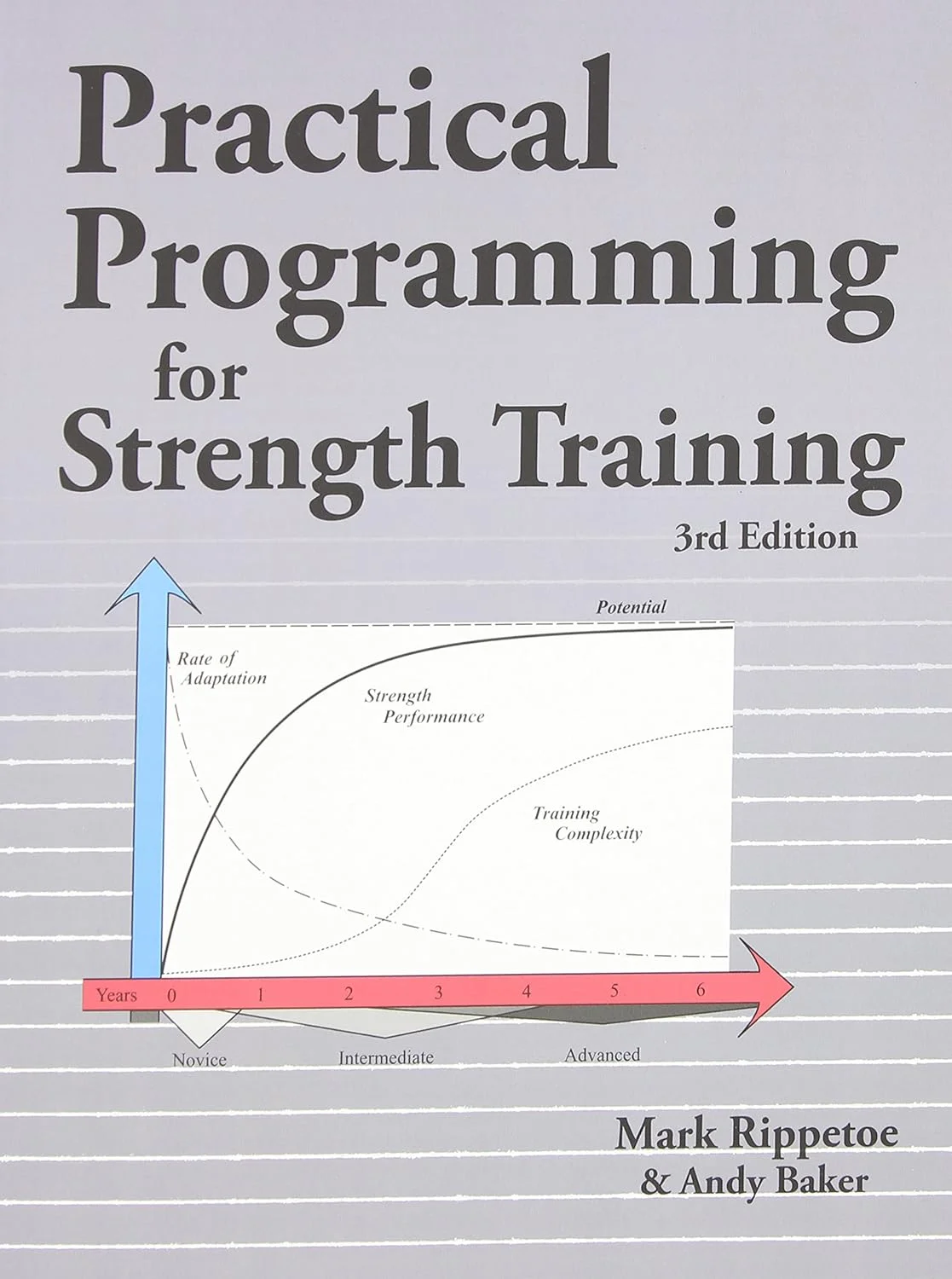
If you want to understand how strength actually develops over time, this is one of the most important books ever written.
Rather than focusing on individual workouts, this book explains the logic behind training programs:
- progressive overload
- training phases
- recovery cycles
- adapting programs for beginners, intermediates, and advanced athletes
One of its most valuable lessons is that training must evolve as your body adapts.
This is where tracking becomes essential. When you record your workouts consistently, sets, volume, and load, patterns start to appear.
With tools like Shape Journey, those patterns become visible through training logs and performance trends, helping you apply the programming concepts discussed in the book.
2. Starting Strength
Mark Rippetoe
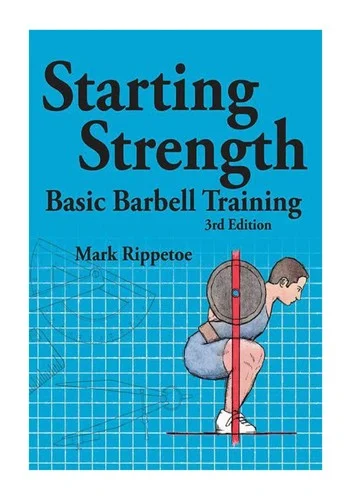
While Practical Programming explains how training should evolve, Starting Strength focuses on how to perform the fundamental lifts correctly.
The book provides a detailed biomechanical analysis of the most important strength exercises:
- squat
- deadlift
- bench press
- overhead press
Understanding these movements is crucial because small technical improvements compound over thousands of repetitions.
For athletes tracking strength training inside Shape Journey, proper technique ensures that the data you collect reflects real physical development rather than inefficient movement patterns.
3. Science and Development of Muscle Hypertrophy
Brad Schoenfeld
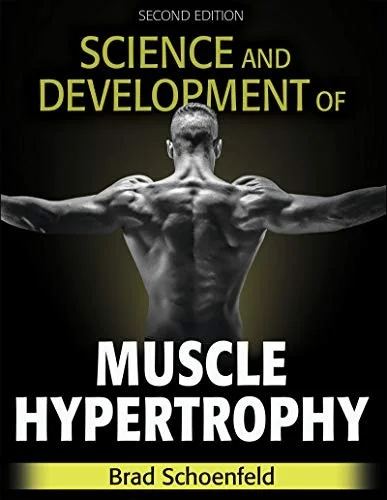
If your goal is muscle growth, this is one of the most respected scientific references in the field.
Brad Schoenfeld explains the three primary mechanisms of hypertrophy:
- mechanical tension
- metabolic stress
- muscle damage
He also dives into research about:
- optimal training volume
- training frequency
- rest intervals
- exercise selection
This scientific perspective pairs perfectly with body composition tracking.
Instead of guessing whether your training is working, you can monitor changes in weight, fat mass, and lean mass over time, turning hypertrophy principles into measurable results.
4. Anatomy Trains
Thomas W. Myers
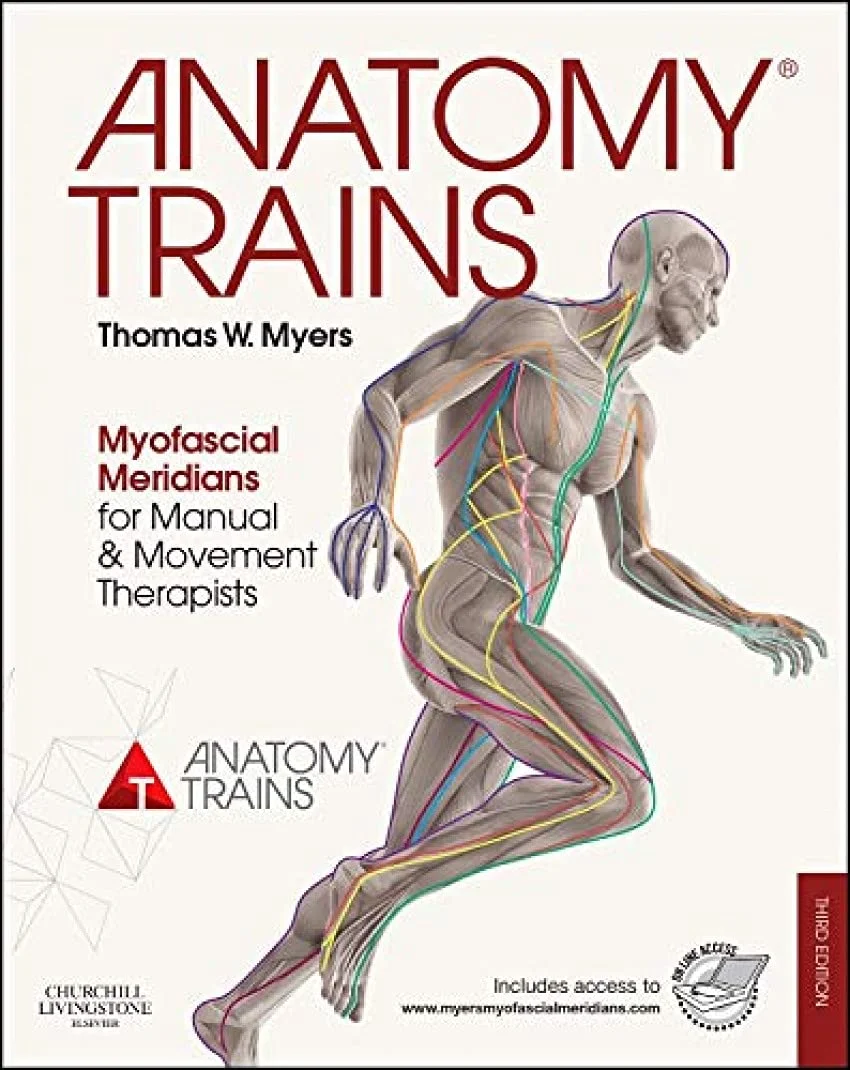
Most people think about muscles individually.
But the human body actually moves through integrated fascial chains.
In Anatomy Trains, Thomas Myers introduces the concept of myofascial lines, connective tissue networks that link muscles across the entire body.
These chains influence:
- posture
- movement efficiency
- injury risk
- athletic performance
Understanding fascial relationships helps explain why issues in one area of the body can affect seemingly unrelated movements.
For users exploring posture analysis or movement assessment tools, this book offers a powerful framework for understanding how body alignment and movement patterns interact.
5. Anatomy of Stretching: A Guide to Increasing Your Flexibility
Craig Ramsay
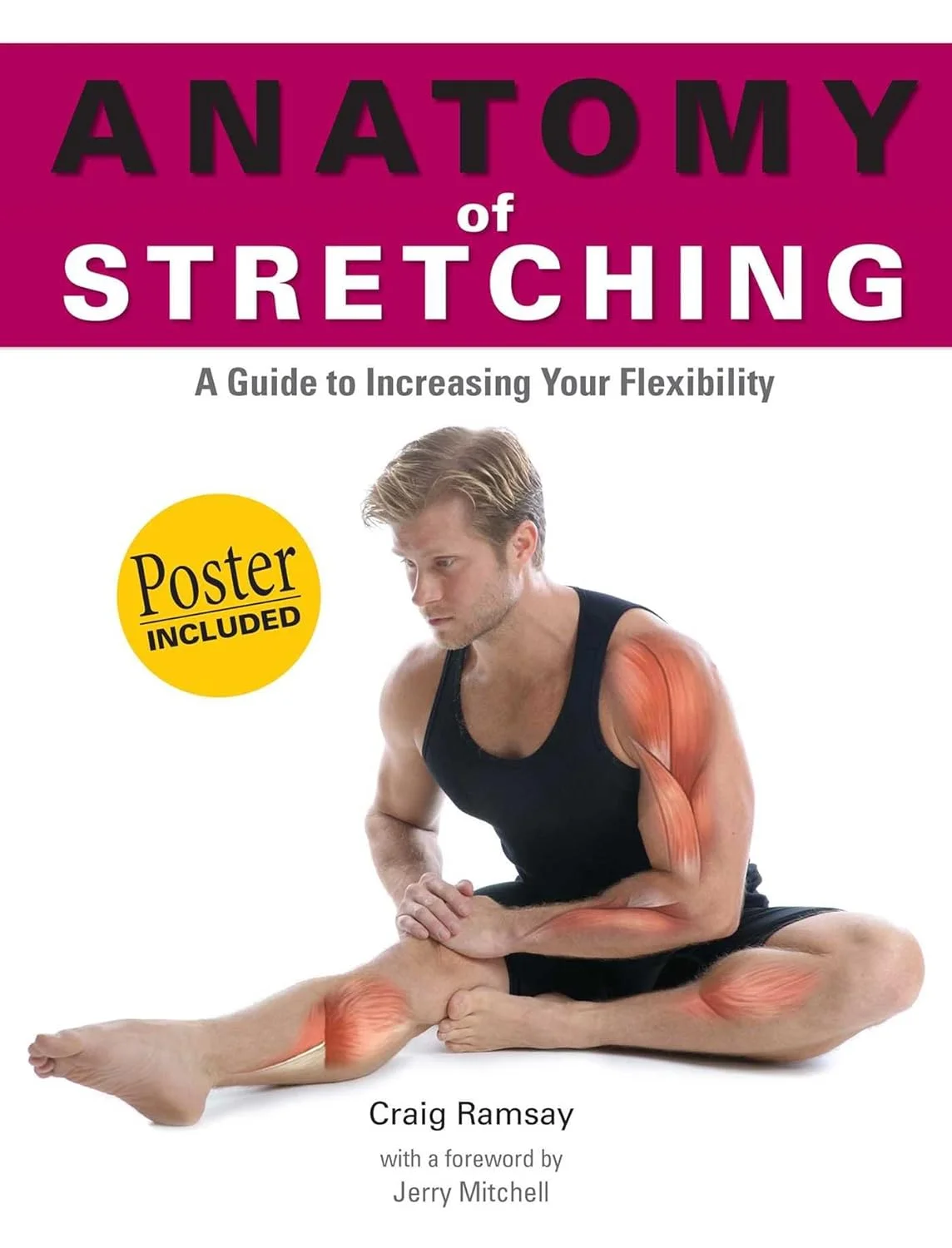
Mobility and flexibility are often neglected in training programs, yet they play a critical role in both performance and injury prevention.
Craig Ramsay's Anatomy of Stretching uses clear illustrations to show:
- which muscles are targeted by specific stretches
- how different stretching techniques work
- how to improve range of motion safely
For athletes combining strength training with endurance sports, maintaining mobility is essential for sustainable progress.
Tracking training load, workouts, and recovery habits helps ensure that mobility work becomes a consistent part of your routine rather than an afterthought.
6. The Triathlete's Training Bible
Joe Friel
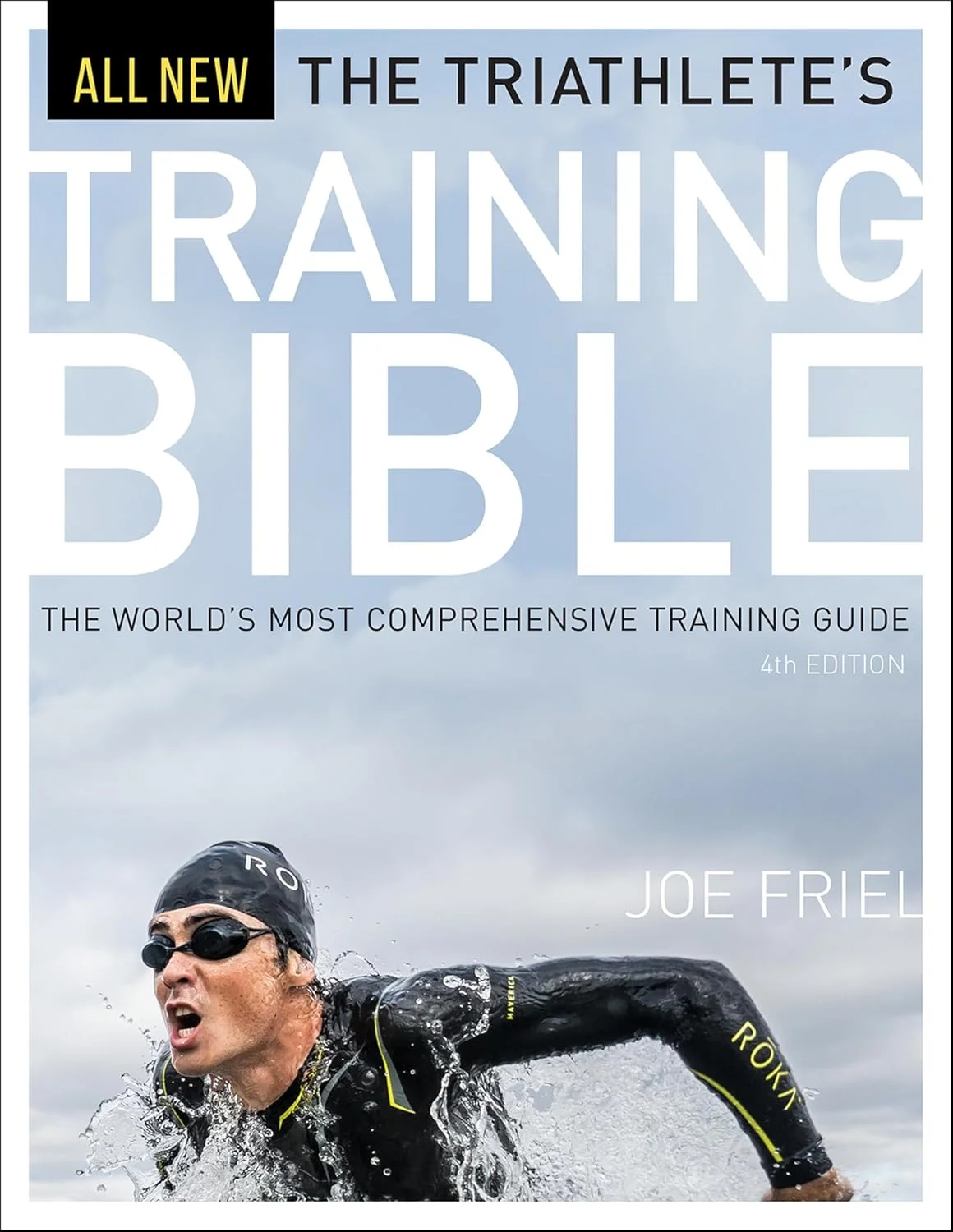
For endurance athletes, this book is considered one of the most comprehensive guides ever written.
Joe Friel explains how to structure long-term training for multisport performance, including:
- periodization strategies
- heart rate training zones
- endurance development
- race preparation
Even athletes who don't compete in triathlons can benefit from its approach to structured endurance training.
For runners and cyclists, combining GPS activity tracking with structured training plans helps reveal patterns in performance and recovery.
Over time, those insights turn everyday workouts into a coherent training journey.
Turn Knowledge into Measurable Progress
Books provide the principles. Tracking provides the feedback. Shape Journey helps athletes measure:
- strength training progression
- body composition changes
- posture and movement patterns
- nutrition and recovery
- endurance training sessions
When knowledge meets consistent tracking, progress becomes visible.
Thanks for reading. App Store · Google Play